Mailer Boxes vs Shipping Boxes: Which One Is Right for Your Online Orders?

The mailer boxes vs shipping boxes decision is simpler than it looks. If your product goes straight to the customer's hands and you want the box to do some selling, choose a mailer box. If you're moving heavier, bulkier, or multi-unit orders where protection and freight efficiency matter more than presentation, choose a shipping box. Most growing US ecommerce brands end up needing both, for different SKUs and order sizes.
The Difference Between a Mailer Box and a Shipping Box
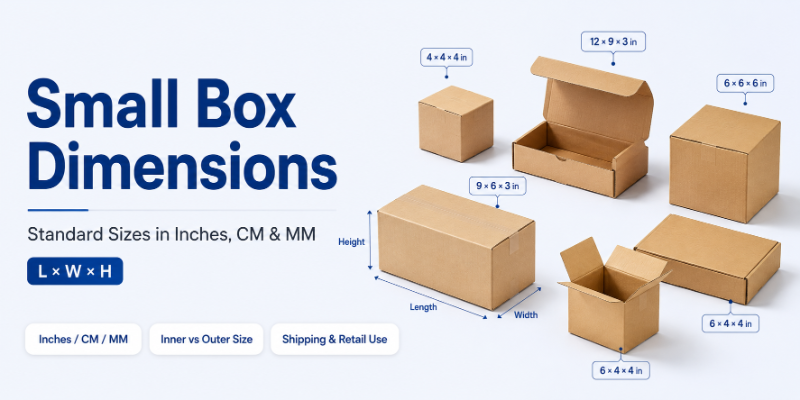
Let’s start with the basics of shape for both types of boxes. Mailer boxes are made with a single layer of corrugated cardboard, typically E-flute or B-flute, which allows for a self-locking, tuck-front carton. These types of boxes typically fold flat, are opened without tape, and then closed with a tucked lid and side flaps. An example of product shipped in a mailer box would be running shoes or a skincare subscription box.
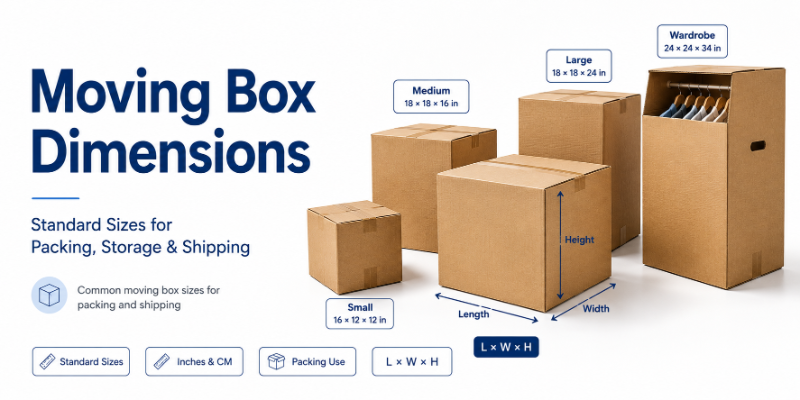
The shipping box is typically a Regular Slotted Container (RSC), a simple box made of corrugated cardboard with 4 flaps on top and 4 on the bottom. They are often used to stack products high on a pallet in a warehouse, and to withstand the rigors of being moved through a large UPS hub in Louisville, like.
Here's where they split:
- Unboxing. A mailer opens like a gift. Print inside the lid, add a short message, and the customer sees your brand before the product. An RSC opens with a box cutter. Nobody films that.
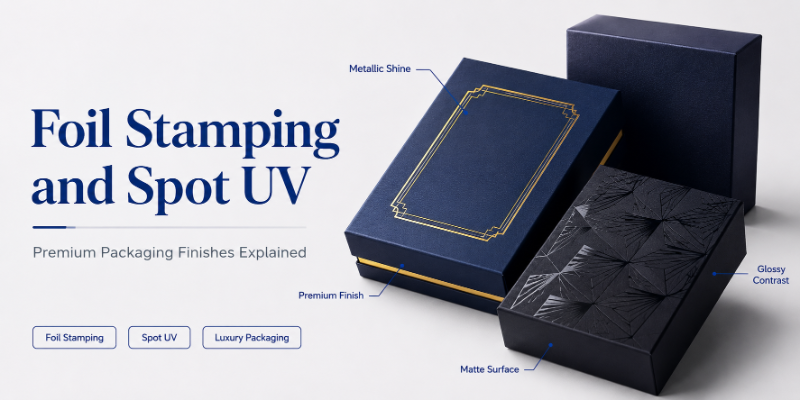
- Print surface. This can be full color print on the inside and out of mailer boxes, with options for matte or gloss lamination and even spot UV printing. RSC shipping boxes are printed with one- or two-color kraft print. While it looks very professional, it is generally not as visually interesting as a printed mailer box.
- Assembly. Mailers fold up in seconds with no tape. RSCs need taping on both ends, which adds labor on a busy fulfillment line.
Mailer boxes hold the customer experiences, the shipping boxes hold what the customer gets through.
The point is, both styles are used for packaging customers’ experiences, and both styles of packaging can be sent in shipping boxes. Therefore, to call mailer boxes “better” than shipping boxes or vice versa is somewhat silly.
Protection, Dimensional Weight, and What the Carriers Actually Charge For
Corrugated vs corrugated: Both styles of boxes are made from corrugated cardboard. The real comparison lies within the flute profile and the number of corrugated layers or wall count. The e-flute style is thin and tightly packed for printing purposes and crushing protection for lighter items. The double-wall RSC style is much thicker and heavier for a case of glass jars for example.
The same box is likely to be dropped from waist height onto concrete.
Now the part that quietly eats margin. USPS, UPS, and FedEx all use dimensional weight on parcels. In plain English, they calculate a "weight" from the box's length, width, and height, then bill you on whichever is greater, actual weight or that calculated figure. Empty space costs real money. A shipping box with three inches of void fill on every side can push a light product into a higher billing tier.
Mailer boxes will earn their keep when shipping small quantities of items, such as gifts, flyers or samples, because:
- Because they are formed to fit around your product very closely, there is less space for air which translates into less cost for shipping.
- Thinner board adds less to the outer dimensions.
- All boxes are made to fit snugly around the contents so as to minimize void fill. This ensures that the customer does not have to throw away excess packaging and you don’t have to pay for it in the first place.
But most larger items need a right sized RSC with proper inserts to give sufficient protection against damage and claims, which usually cost more than the respective surcharge. Stock boxes however are sold in predefined dimensions and thus normally contain more material than needed for such individual items.
Mailer Box or Shipping Box for Ecommerce? Three Real Scenarios
Here's how the choice plays out.
A Nashville candle maker shipping single units. Each order consists of one glass-jar candle. A mailer contains a die-cut corrugated insert to keep the candle centered and a printed lid with information about the proper care of the candle and a reorder code. The box serves as part of the branding for the candle maker. A simple RSC would likely suffice to protect the candle, but would waste potential printing on the box as customers unwrap products.
A Denver roaster shipping wholesale to cafés. Twelve bags per order of coffee will be shipped to the back of the cafe’s receiving dock. There is little unpacking of wholesale goods and no photography of them for your website. You need a simple single-wall RSC, printed in one color on kraft, the exact size of the bag. This is a freight efficient and good enough package for the coffee and for the cafe’s wholesale receiving area. Use your premium print on the retail bags of coffee that you ship in single units to retail customers.
An Austin apparel brand in the holiday rush. From Black Friday through late December, volume triples and most orders are gifts. Mailers in two sizes, one for a single tee and one for a hoodie bundle, fold flat for storage and assemble without tape, which keeps a seasonal crew moving.
It’s quite obvious that we discuss different boxes. But that does not mean you have to choose between them for your online shipping. The question is: which box do you need for your product, for this size of order, for this customer?
Many brands run both. That's not indecision. That's a packaging system.
FAQ
Can a mailer box ship on its own without an outer carton?
Yes, for most small to medium sized products. The mailer box is a corrugated box that is designed to be shipped as the outer package via USPS, UPS and FedEx. Items that are larger, heavier or require extra protection may require a greater flute or even an insert which your packaging specialist can confirm for you prior to production.
Are mailer boxes and shipping boxes made from the same material?
Both styles are made with corrugated board, but mailer boxes are typically printed with lighter weights of E-flute or B-flute material to create a clean print surface, whereas shipping boxes are typically made with heavier single- or double- wall corrugated material to allow for stacking. However, weight and shipping distance are key factors in choosing the correct corrugated material for shipping boxes as well.
What if I only ship a few hundred orders a month?
We have very low minimum order quantities, making custom mailers and custom shipping boxes available to small brands and start-ups. Start off with one size and then add more styles as your product catalog grows.
Choosing the Box That Works for Your Orders
If you are packaging up something to be sent as part of the product then choose a mailer, otherwise choose a shipping box and let protection and freight efficiency be your design goals. Either way sizing the box to your specific product is where the true savings and value to your brand will be. We have free design support for artwork and can assist with setting up the dimensions of your custom boxes for printing and delivery.